Why Luxury Pet Ownership Is Becoming a Global Lifestyle Marker
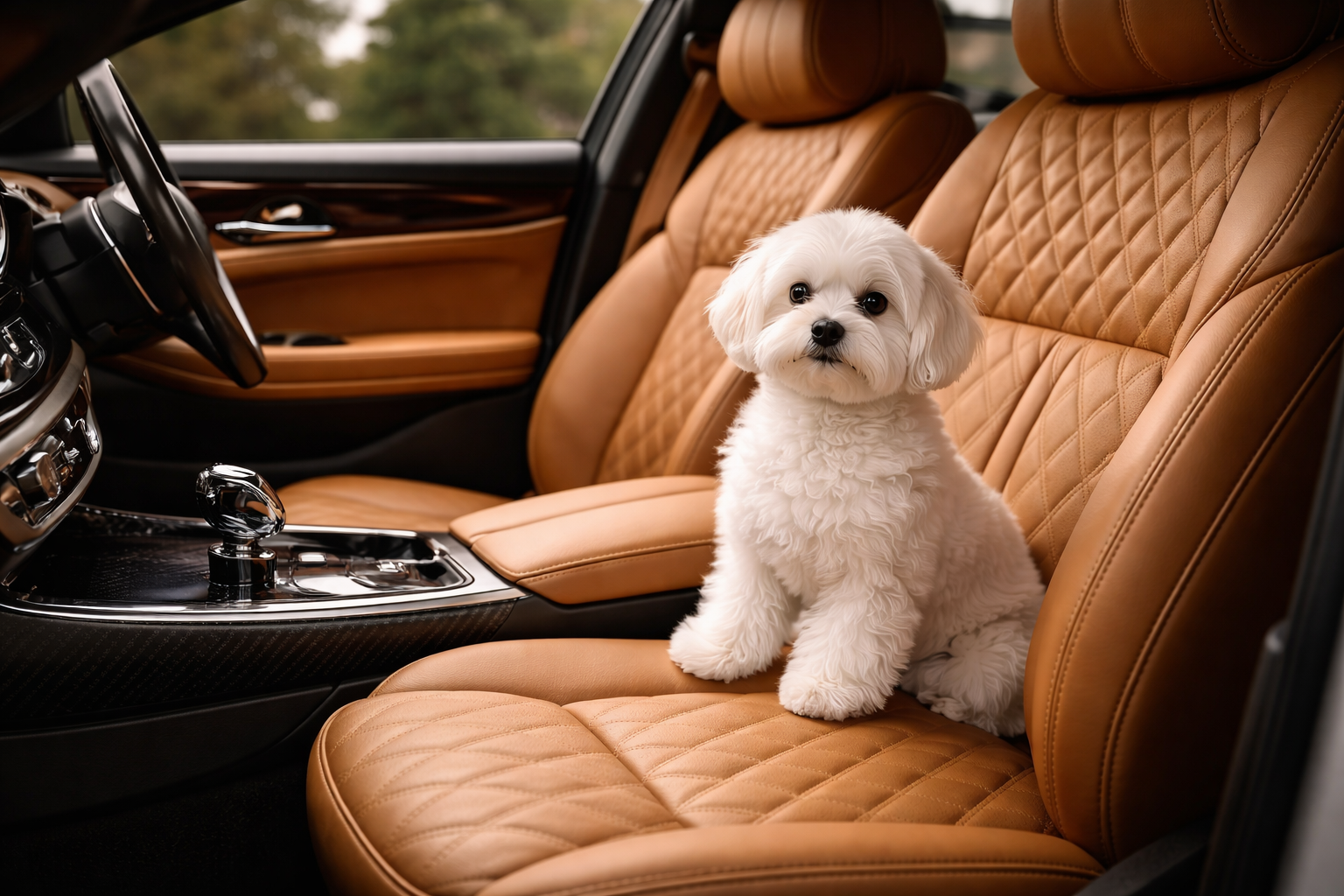
In recent years, pets have moved far beyond companionship. For a growing number of high-net-worth individuals, pets now reflect lifestyle, values, and identity in much the same way as art, fashion, travel, or philanthropy.
This shift is particularly visible in global cities such as London, Dubai, New York, and Singapore, where luxury pet brands, premium veterinary care, bespoke grooming, and private pet services have become part of a wider cultural ecosystem. Ownership is no longer defined by possession alone, but by participation in a considered, elevated pet lifestyle.
Rather than treating pets as accessories or afterthoughts, affluent owners increasingly see them as integral to daily life, travel, and family structure. As a result, the standards applied to personal taste, discretion, and quality now extend naturally into the pet world.
Pets as an Extension of Personal IdentityAmong elite pet owners, decisions around nutrition, wellness, training, and even design are increasingly deliberate. Premium pet lifestyle choices now mirror those made for human wellbeing — organic ingredients, traceable sourcing, advanced health insights, and craftsmanship-led design.
This evolution reflects a broader cultural trend: identity is no longer communicated solely through visible consumption, but through care, responsibility, and long-term thinking. How an individual looks after their dog or cat — what they feed them, how they travel with them, how they integrate them into daily life — has become a subtle but powerful signal of values.
In this context, pets function as a living expression of personal standards. Quiet luxury, discretion, and restraint matter more than overt display, and brands that understand this sensibility increasingly command loyalty and trust.
The Rise of Exclusive Pet CommunitiesAlongside premium products, there has been growing interest in exclusive pet communities — private circles where owners share access, knowledge, and curated experiences. These communities reflect a broader move towards private membership models seen across dining, travel, culture, and wellness.
For affluent pet owners, such communities offer more than perks. They provide continuity, shared values, and a sense of belonging — particularly appealing to families and individuals who prioritise legacy, responsibility, and intergenerational thinking.
In many cases, these circles also serve as informal knowledge networks, where insight, discretion, and trust are valued above volume or visibility. This aligns naturally with how high-net-worth individuals already engage with private clubs, patronage programmes, and cultural institutions.
Heritage Brands in a Modern ContextHistoric brands have played a unique role in this evolving landscape. Long-established names carry credibility that newer luxury entrants cannot easily replicate. When responsibly revived, a heritage pet brand offers something rare: provenance combined with modern relevance.
Spratt’s is one such example. Originally established in London in 1860 and widely recognised as the world’s first commercial pet brand, Spratt’s helped define the early foundations of the pet industry itself. Its revival reflects the broader direction of luxury pet culture — where history, innovation, and stewardship coexist rather than compete.
For discerning owners, heritage offers reassurance. It signals permanence, accountability, and cultural depth — qualities increasingly valued in an era of fast brands and short cycles.
Why This Matters GloballyThe appetite for premium pet experiences is not confined to one region. Across the Middle East, Europe, and North America, elite pet owners increasingly expect brands to match their broader lifestyle standards. This includes intelligent health platforms, thoughtful design, ethical positioning, and private access models, rather than transactional retail.
In markets such as the GCC, where discretion and legacy hold particular importance, the rise of elevated pet culture mirrors trends seen in art patronage, private members’ clubs, and long-term brand relationships. Pets are viewed not as trends, but as long-term commitments — and the brands that serve them are expected to reflect that mindset.
A New Cultural MarkerLuxury pet ownership has quietly become a global signal of taste, responsibility, and modern belonging. As the category matures, the most relevant brands will not be those that shout the loudest, but those that understand restraint, continuity, and cultural depth.
For discerning owners, participation — not consumption — is becoming the true marker of status.