Why Pets Have Become a Reflection of Identity, Status, and Modern Belonging
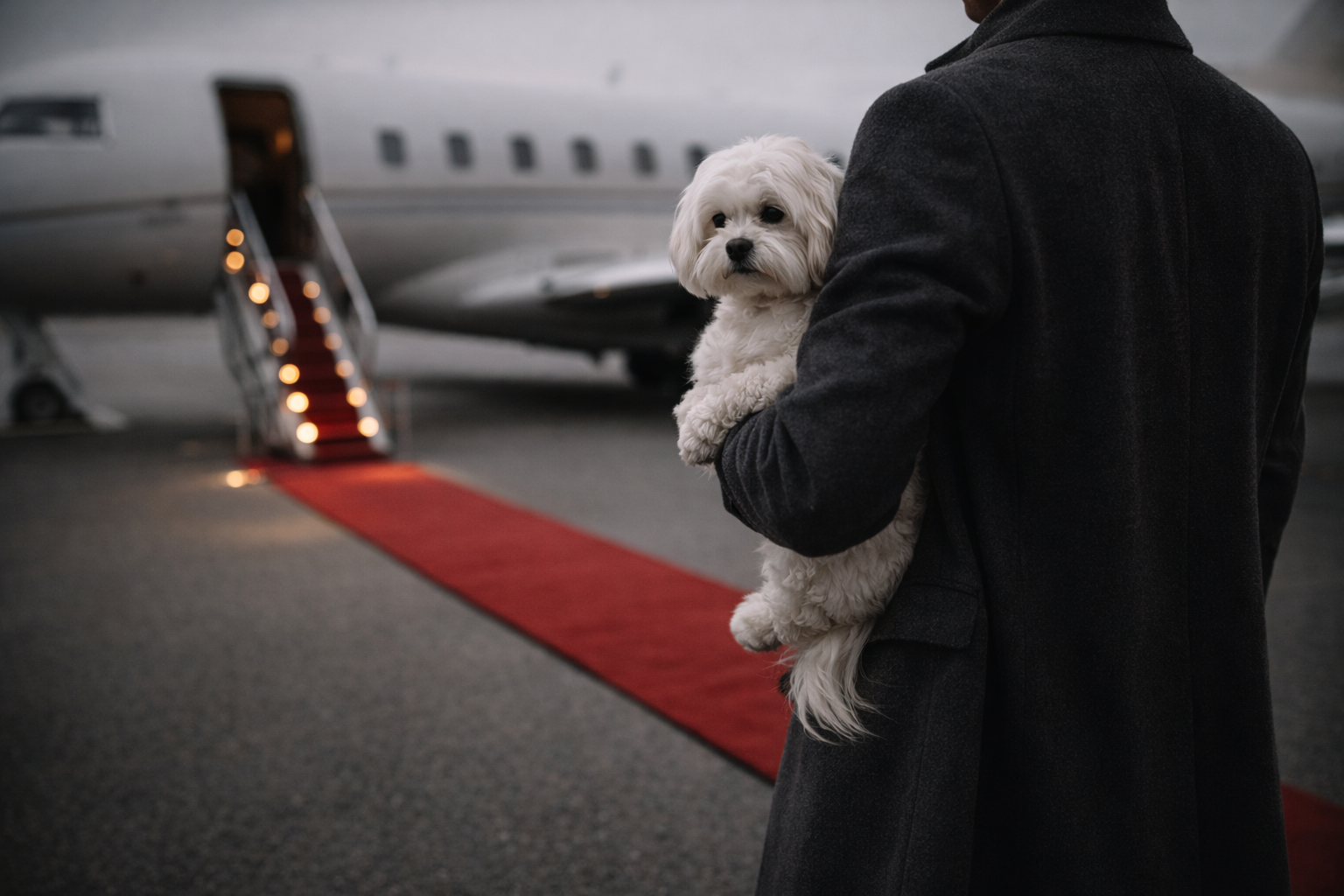
For centuries, personal identity has been expressed through culture, taste, and the objects people choose to live with. From clothing and architecture to art and education, these choices have quietly signalled values, priorities, and belonging. In recent years, a new and deeply personal dimension has entered this conversation: the role of pets in modern identity and status.
Dogs and cats are no longer viewed simply as companions or household animals. For many people, particularly in urban and high-income environments, pets now sit at the intersection of lifestyle, responsibility, and self-expression. This shift is reshaping not only how animals are cared for, but how the global pet industry itself is evolving.
Pets as extensions of identityIn much the same way that fashion, travel, and design choices reflect personal values, pet ownership has become an outward expression of identity. The way a pet is fed, groomed, trained, and equipped increasingly mirrors how an owner sees themselves and the standards they choose to live by.
This is particularly evident among discerning dog and cat owners who view their pets as part of the family unit rather than an accessory. Quality of nutrition, ethical sourcing, aesthetic consistency, and long-term wellbeing now matter just as much as functionality. As a result, pets are becoming woven into broader lifestyle narratives rather than treated as a separate category.
The rise of premium grooming products, refined accessories, bespoke nutrition, and intelligently designed care tools reflects this deeper emotional and cultural connection.
Status signals have changedHistorically, status was communicated through visible symbols: watches, cars, address, or education. Today, these signals are more subtle and values-driven. Sustainability, responsibility, and taste increasingly outweigh overt displays of wealth.
Pet care has quietly joined this new language of status.
Providing thoughtfully designed products, responsibly sourced nutrition, and long-term wellness planning for an animal signals a particular worldview: one rooted in care, stewardship, and considered living. It reflects patience rather than impulse, quality over volume, and long-term thinking rather than short-term convenience.
In this sense, pets have become a reflection not of indulgence, but of how responsibility itself is valued.
The evolution of the pet industryAs owners’ expectations have shifted, so too has the pet industry. What was once dominated by mass- produced food and utilitarian accessories is now experiencing a clear stratification.
At one end remains the commodity market. At the other is a growing segment defined by:
Elevated design and materials
Transparent sourcing and formulation
Ethical manufacturing and sustainability
Integration with digital tools and data
Emphasis on education and informed ownership
This evolution mirrors what has already happened in food, fashion, and wellness. As consumers became more informed, brands were forced to move beyond convenience and price, towards trust, craftsmanship, and meaning.
Pets, as emotionally significant members of households, are naturally at the centre of this transition.
Belonging beyond ownershipAlongside this shift is a growing desire for community and belonging among like-minded pet owners. Not every owner wants the same thing. Some prioritise performance, others aesthetics, others ethics, others knowledge.
Increasingly, people seek connection with others who share similar standards and philosophies around animal care. This has led to the emergence of private circles, educational platforms, curated events, and selective communities focused on responsible and elevated pet ownership.
This is not about exclusivity for its own sake. Rather, it reflects a natural human tendency to gather around shared values, particularly when those values involve care, responsibility, and long-term commitment.
Dogs, cats, and the new lifestyle categoryDogs and cats occupy a unique place in this space. Unlike many luxury categories, pet ownership is daily, intimate, and enduring. Choices made for an animal are lived with every day — through routines, environments, and interactions.
As a result, the accessories, tools, and products associated with pets carry unusual emotional weight. A well- crafted collar, a thoughtfully designed bowl, a carefully formulated supplement, or a grooming tool made to last can become part of a household’s identity in a way few other objects can.
This explains why design, materials, and provenance are becoming increasingly important in the pet space. Owners are no longer content with items that simply function; they want products that belong in their lives aesthetically and ethically.
Responsibility as the new luxuryPerhaps the most significant shift of all is the redefinition of luxury itself. Luxury today is less about excess and more about intention. It is about choosing fewer things, but better ones. About understanding where products come from, how they are made, and the impact they have.
In pet care, this translates into a focus on longevity, education, wellness, and transparency. The most respected brands in this space are no longer those that shout the loudest, but those that demonstrate quiet competence and long-term stewardship.
For many owners, caring well for an animal is not a trend or statement — it is a reflection of who they are and how they live.
A lasting shift, not a passing trendThe elevation of pets within identity and lifestyle culture is not a temporary phenomenon. It is driven by structural changes: urbanisation, delayed parenthood, greater emotional investment in animals, and a broader cultural move towards conscious consumption.
As these forces continue to shape society, the role of pets — and the expectations placed upon those who care for them — will only deepen.
The future of the pet industry will belong to those who understand this shift: who recognise that pets are no longer peripheral, but central to how people express care, responsibility, and belonging in the modern world.