Why True Luxury Is Built on Craft, Not Hype
Luxury has never been about price alone. At its core, it is about restraint, provenance, and the quiet confidence that comes from doing fewer things—exceptionally well. In an era dominated by rapid production cycles, viral launches, and short-lived trends, true craftsmanship has become rarer, and there fore more valuable.
Across fashion, watchmaking, furniture, and even architecture, the most enduring luxury houses share a common philosophy: products are not rushed, materials are not compromised, and design decisions are guided by longevity rather than novelty. This philosophy is now re-emerging across unexpected sectors—including pet care, wellness, and lifestyle—where discerning owners are applying the same standards they expect for themselves to every part of their lives.
The Difference Between Premium and LuxuryThe modern marketplace often blurs the line between “premium” and “luxury,” yet the distinction is significant. Premium products may be well-designed, well-priced, and well-marketed, but luxury is rooted in something deeper. It is shaped by craftsmanship, heritage, and a long view of value.
Luxury brands are rarely built overnight. They are shaped over decades—or centuries—by accumulated knowledge, refined processes, and cultural relevance. This is why historic houses continue to command trust even as new entrants compete aggressively on price or visibility. Consumers who understand luxury are not simply buying an object; they are buying continuity, standards, and meaning.
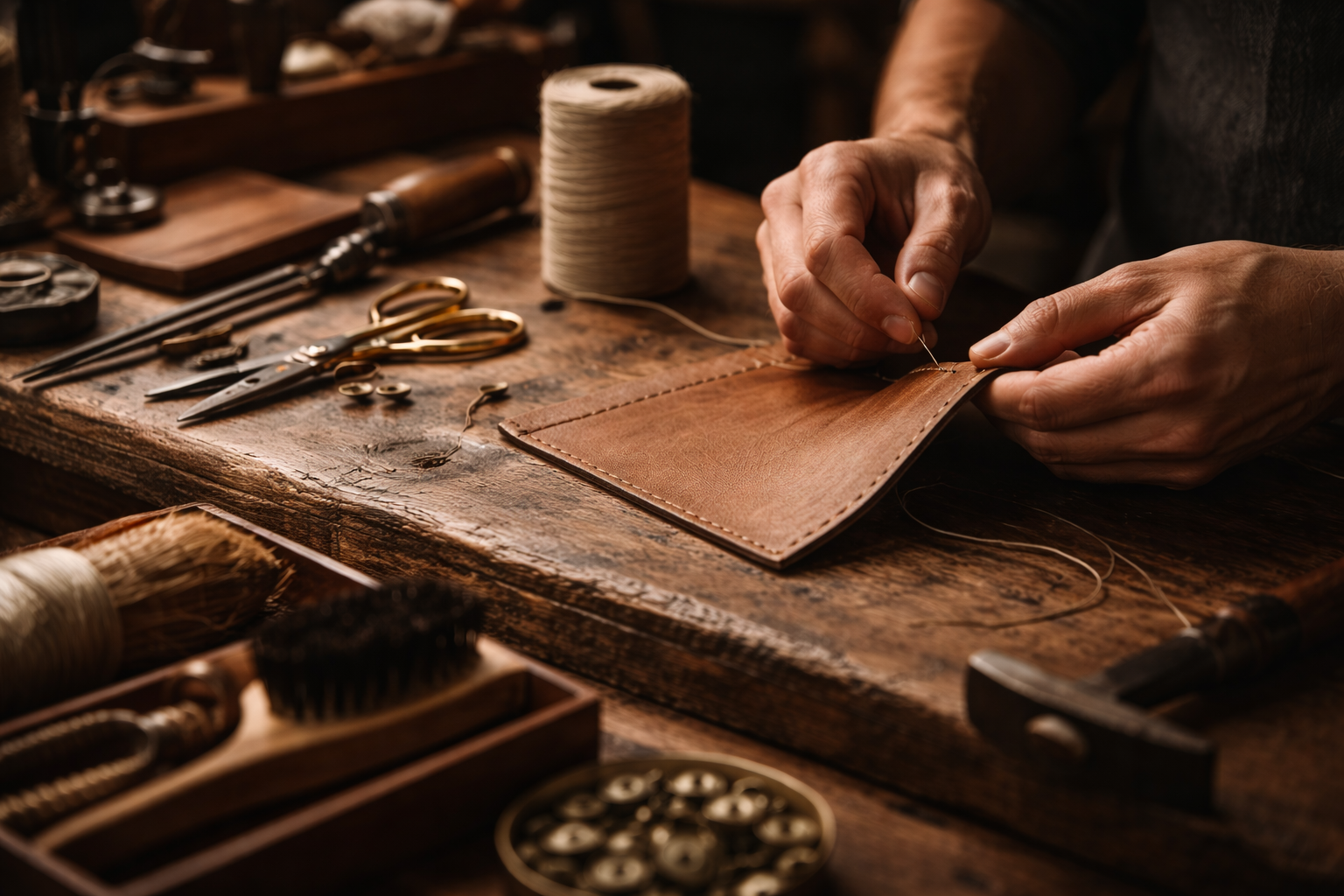
Craftsmanship as a Cultural SignalCraftsmanship has always served as a cultural signal. Hand-finished leather, precision metalwork, natural fibres, and time-intensive production methods communicate more than quality—they signal respect for materials and for the end user. In many cases, these choices also reflect ethical and environmental considerations long before such terms became fashionable.
Today, as sustainability becomes a central concern, craftsmanship and responsibility are once again aligned. Products designed to last reduce waste. Materials chosen for durability age better. Repairability becomes a feature, not an inconvenience. Luxury, when practiced correctly, is inherently more sustainable than mass production.
The Rise of Luxury in Lifestyle CategoriesLuxury is no longer confined to wardrobes or homes. It has expanded into lifestyle categories where identity, care, and personal values intersect. Wellness, nutrition, grooming, and even pet care are increasingly viewed through a luxury lens—not as indulgence, but as an extension of personal standards.
For many owners, pets are family members, companions, and reflections of their lifestyle choices. As a result, there is growing demand for products and services that move beyond utility toward thoughtful design, refined materials, and considered craftsmanship. This shift mirrors what happened in other sectors years earlier: once expectations rise, there is no return to the ordinary.
Heritage as the Foundation of LuxuryWhile innovation drives progress, heritage provides credibility. Brands with genuine historical roots carry an inherent authority that cannot be manufactured through marketing alone. Their archives, original designs, and founding principles offer a reference point for modern development.
Heritage does not mean stagnation. On the contrary, the strongest heritage brands are those that evolve carefully—adapting to contemporary needs while preserving their core identity. This balance between continuity and innovation is what allows a brand to remain relevant without losing its soul.
In luxury markets, this matters deeply. Consumers are increasingly sophisticated. They research origins, question materials, and seek reassurance that a brand stands for something beyond the current season.
Materials, Process, and IntentAt the heart of craftsmanship are three elements: materials, process, and intent.
Materials must be chosen for integrity, not convenience. Natural fibres, responsibly sourced metals, and durable finishes outperform synthetic shortcuts over time. Process determines consistency—how items are cut, assembled, finished, and inspected. Intent shapes everything else: whether a product is designed to impress briefly or to endure quietly.
Luxury houses are defined by their willingness to say no—to trends that dilute identity, to shortcuts that undermine quality, and to scale that compromises standards. This discipline is often invisible to the consumer, but it is precisely what creates trust.
Why Luxury Still Matters in a Digital WorldIn a digital-first world, where almost everything is accessible instantly, luxury plays a counterbalancing role. It slows things down. It invites consideration. It creates space for appreciation rather than consumption.
Interestingly, technology has not diminished the appeal of craftsmanship—it has amplified it. When products are endlessly compared online, authenticity stands out. When information is abundant, credibility matters more. When everything is visible, inconsistency is quickly exposed.
This is why modern luxury brands invest heavily in design coherence, narrative clarity, and long-term thinking. They understand that reputation travels faster than advertising.
A New Standard of LuxuryToday’s luxury consumer is not defined solely by wealth, but by discernment. They value brands that demonstrate responsibility, cultural awareness, and a commitment to quality that extends beyond the surface. They recognise that true luxury is rarely loud.
As craftsmanship reclaims its place at the centre of luxury, brands that align heritage with modern standards are uniquely positioned to lead. They do not need to persuade; they simply need to demonstrate consistency over time.
In this context, luxury becomes less about possession and more about participation in a standard—one that respects history, values craftsmanship, and looks forward without abandoning its foundations.
Looking AheadAs markets evolve and expectations rise, craftsmanship will continue to separate enduring brands from temporary names. Those who invest in quality, heritage, and restraint will not need to chase attention; attention will find them.
Luxury, after all, has always been about confidence in one’s standards. And in a world moving ever faster, that confidence may be the most valuable asset of all.